
What is the definition of a business credit score?
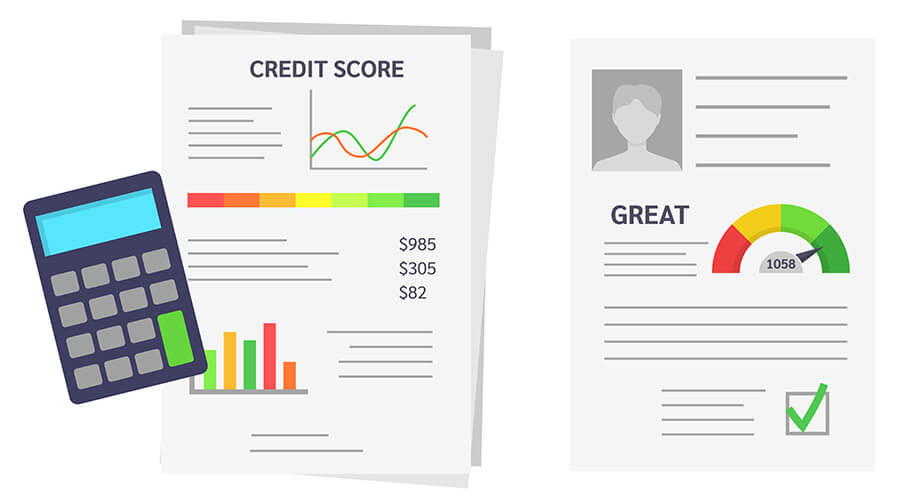
Individual credit ratings rank creditworthiness, while business credit score ranks the creditworthiness of businesses. Credit ratings for individuals range from 300 to 850. Scores for businesses range from 0 to 100. Dun & Bradstreet, Experian, and Equifax are three major business credit reporting organizations that create business credit scores and reports. Small business FICO scores are referred to as “FICO SBSS.”
Personal FICO scores range from 300 to 850, whereas business credit scores often fall between zero and 100. Paying your lenders and/or creditors on time is the greatest way to build a strong company credit score.
Consumers can check and monitor their credit scores for free at more than 150 different locations that are easy to find online.
Unlike personal credit scores, which are restricted to those with a “permissible purpose” under federal law, anybody can check a company’ credit scores.
These are some of the most well-known business credit scores. There are more corporate credit ratings besides these, just as there are many other types of consumer credit scores. You’ll be ahead of most business owners who never check or work on their scores just by checking them and making sure they’re strong.
| Business credit score | Score range |
|---|---|
| Dun & Bradstreet PAYDEX | 0 – 100 |
| Intelliscore℠ Plus from Experian | 0 – 100 |
| FICO® LiquidCredit® Small Business Scoring Service℠ | 0 – 300 |
| Equifax Business Delinquency Risk Score | 224 – 580 |
Experian’s Intelliscore Plus℠
Scores vary from 1 to 100 on the Experian Intelliscore PlusSM, higher score meaning the lower risk.
Over 800 variables, including tradeline and collection statistics, public disclosures, new account activity, critical financial ratios, and other performance indicators, can be factored into these rankings. However, paying on time and managing debt wisely are most important in achieving a good credit score.
| Score | Risk | |
|---|---|---|
| Risk Class 5 | 50 | low |
| Risk Class 4 | 40 | Low – Medium |
| Risk Class 3 | 30 | Medium |
| Risk Class 2 | 20 | High – Medium |
| Risk Class 1 | 10 | High |
FICO® LiquidCredit® Small Business Scoring Service℠
The Small Business Scoring Service (SBSS) of FICO ranks applicants based on their likelihood of making timely payments. The scale runs from 0 to 300 points. The better, the higher the score. Personal and commercial credit data, as well as other financial information, might be used in the rating. Your SBSS score may be boosted if you have a good track record of business credit and timely payments to vendors and suppliers. The Small Business Administration will use the FICO SBSS score for term loans, lines of credit, and commercial loans up to $350,000. (SBA). Currently, a score of 140 is required to pass the SBA’s pre-screening process.
How are credit scores for businesses used?
Before they will approve you for financing, lenders and other creditors need a way to determine how well your business repays debts. This is where commercial credit scores can help. Higher ratings show creditors that your company is more likely to pay invoices on time, increasing your chances of getting finance. Lenders can look at your company’s business credit reports to learn more about its financial history, and business credit scores provide a quick summary of that information. Here are three more uses for your company credit scores:
What can I do to raise my credit score?
It might be difficult to establish company credit. For instance, not all of your payments appear on your credit reports, and accounts that do not report will not help you establish credit. Opening accounts that report to company credit, such as vendor accounts and business credit cards, is one approach to start building business credit.

Add accounts to your business credit reports that you already pay.

Pay accounts that submit reports on time or ahead of schedule.

Manage the debt. Avoid maxing out credit cards if at all feasible.
Only debts incurred under your company’s federal tax identification number, commonly known as an employer identification number, appear on your business credit report. The report does not include any personal lines of credit that you may have. This is true even if you still have business credit cards in your name.
The businesses who own the loan willingly send information to the reporting bureaus, which appears on your trade credit report. As a result, some credit lines may not appear on the report. It is important to choose those credit lines that report your payments if you want to build up your credit rating. Using our matching system you can find NET 30 business credit providers that report to all the major credit bureaus and start improving your credit rating today.